How to Plan a Halmahera Diving Itinerary from Komodo Island for First-Time Divers
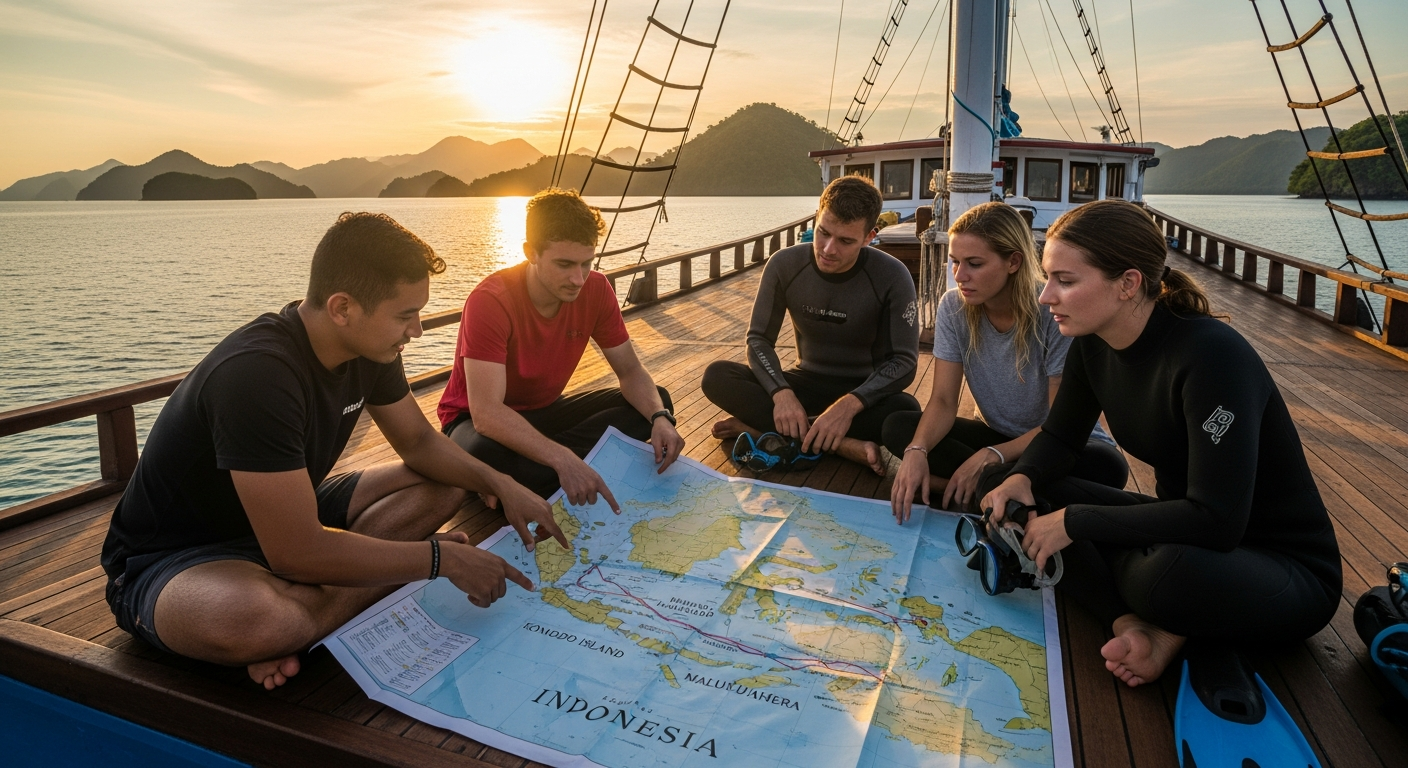
Key Takeaways
- Plan your diving itinerary from Komodo to Halmahera during April to November for optimal conditions and visibility.
- Explore Halmahera’s pristine coral gardens, muck, and volcanic formations, a perfect adventure for first-time divers.
- Budget for travel between Komodo and Halmahera, considering flights and boat transfers to remote dive sites.
- Include top Komodo dive sites like Batu Bolong and Castle Rock before heading to Halmahera’s untouched paradise.
Planning a diving itinerary from Komodo Island to Halmahera for first-time divers involves strategic scheduling and understanding of both regions’ unique offerings. From choosing the best seasons to understanding travel logistics, this guide will help you create a smooth diving experience, highlighting essential dive sites and travel tips to ensure a fulfilling underwater adventure.
Understanding the Regions: Komodo and Halmahera
Komodo National Park, a UNESCO World Heritage Site, spans over 1,700 square kilometers of land and sea. This unique area is renowned for its rich marine biodiversity, hosting over 1,000 species of fish and 260+ species of coral. The park is famous for its diverse dive sites such as Batu Bolong, Manta Point, Castle Rock, Crystal Rock, and The Cauldron, each offering distinct underwater experiences ranging from lively coral gardens to thrilling drift dives. Batu Bolong, for instance, stands out with its lively coral structures and schools of fish, making it a photographer’s region. The strong currents here also bring large pelagic species, providing an exciting challenge for more experienced divers.
Halmahera, situated in North Maluku Province, is the largest island of the Moluccas. Unlike the more frequented Komodo, Halmahera offers a remote diving experience with its unspoiled marine environment. The waters here are warm, ranging from 28–30°C year-round, ideal for divers who seek unique underwater landscapes including muck diving, volcanic formations, and rich coral gardens. This island’s seclusion presents an opportunity for first-time divers to experience a less disturbed aquatic ecosystem. Dive sites such as Ternate and Tidore are known for their historical significance and underwater volcanic formations, adding a layer of intrigue to your diving adventure in Halmahera.
Best Seasons for Diving
The ideal time to dive in Komodo National Park is during the dry season, from April to November. This period offers the best visibility underwater, enhancing your ability to fully appreciate the lively marine life and intricate coral formations. For those interested in seeing manta rays, the peak season is from January to March, particularly at sites like Manta Alley and Karang Makassar. During this time, the nutrient-rich waters attract large groups of grand manta rays, creating memorable encounters for divers.
In contrast, the waters of Halmahera attract more marine life during July and August when nutrient-rich currents flow through the region. These months are preferred by experienced divers who seek interactions with diverse marine species. Year-round warm waters make Halmahera an attractive destination for diving at any time, providing flexibility in planning your itinerary. The nutrient influx during these months also supports the growth of lively coral gardens, making each dive a colorful experience.
Travel Logistics and Itinerary Planning
Your journey to Komodo National Park typically begins in Labuan Bajo on Flores Island, which serves as the main access point. From here, liveaboards are the recommended mode of travel to explore the remote southern areas of the park. Notable options include Mermaid I, which offers a comprehensive 10-day dive and snorkel cruise, and Mermaid II, providing an 8-day trip. Both packages include airport transfers, all meals, tanks, weights, and the expertise of experienced Dive Masters and Instructors. The liveaboard experience provides not only convenience but also access to secluded dive sites that are otherwise unreachable.
Transitioning from Komodo to Halmahera involves careful scheduling. Direct flights from Labuan Bajo to North Maluku are limited, requiring a stopover in major hubs like Jakarta or Makassar. Once in Halmahera, liveaboard trips, such as the Naga Biru scheduled for September 2026, offer a 7-day exploration of the region’s iconic dive destinations. Planning ahead is crucial to secure spots on these voyages, which highlight the remote and lively reefs of Halmahera. The logistics can be complex, but the reward is an immersive experience in one of Indonesia’s most notable underwater environments.
Selecting Dive Sites
First-time divers should consider their comfort level and diving experience when selecting dive sites. In Komodo, Batu Bolong offers a pinnacle dive experience with dramatic coral landscapes and diverse marine life. For manta ray enthusiasts, Manta Point (Karang Makassar) is a must-visit. Castle Rock and Crystal Rock are known for pelagic species and even occasional dolphin sightings, while The Cauldron provides thrilling drift dives. At The Cauldron, divers can experience the exhilarating sensation of being pushed through a narrow channel by fast-moving currents, often called “The Shotgun” effect.
In Halmahera, diving focuses on the natural underwater beauty which includes muck diving for those interested in macro photography, and experiencing volcanic formations that provide a unique backdrop to marine exploration. The diverse coral gardens are ideal for beginners wanting to observe marine ecosystems in their natural habitat. The remote nature of Halmahera ensures a tranquil diving experience, away from the crowded dive sites in more popular regions. Sites like Bacan and Goraici Islands offer a unique combination of lively coral walls and diverse marine life, including rare critters that delight macro photographers.
Accommodations and Budgeting
When planning your diving itinerary, consider accommodations that align with your budget and desired level of comfort. In Labuan Bajo, a range of options from budget-friendly hostels to luxury resorts are available. Prices vary significantly, with basic accommodations starting at around USD 30 per night, while upscale resorts can exceed USD 200 per night. For those seeking a balance between comfort and cost, mid-range hotels offer excellent amenities and convenient access to dive operators.
For liveaboard experiences in both Komodo and Halmahera, the cost typically includes accommodation, meals, and diving essentials. For example, the Mermaid I and II trips range from USD 2,000 to USD 3,500, depending on the duration and specific package inclusions. These liveaboards provide a comprehensive diving experience tailored to exploring less accessible dive sites, offering value for first-time divers eager to maximize their underwater adventure. Additional expenses may include rental equipment and optional excursions, so it’s wise to budget accordingly.
Essential Tips for First-Time Divers
First-time divers should prioritize safety and comfort by undergoing thorough pre-trip preparation. This includes obtaining a valid diving certification and ensuring a good level of physical fitness. It’s advisable to have travel insurance that covers diving activities, as well as any travel disruptions. Choosing a reputable dive operator with experienced instructors can significantly enhance your diving experience, providing guidance and assurance.
Familiarize yourself with the rules and regulations of each diving destination, as preservation efforts are crucial in maintaining the rich biodiversity of these areas. Dive operators generally provide orientation sessions to educate divers on best practices and environmental responsibility. Being respectful of marine ecosystems and adhering to guidelines enhances the diving experience while contributing to conservation efforts. Remember, the goal is to leave only bubbles and take only memories.
FAQs
Q? How do I get from Komodo Island to Halmahera? A: Travel from Komodo Island to Halmahera involves flying from Labuan Bajo to a major Indonesian hub such as Jakarta or Makassar, followed by a connecting flight to North Maluku. Plan your flights in advance as direct connections are limited.
Q? What is the cost of a diving liveaboard in Komodo and Halmahera? A: Diving liveaboards such as Mermaid I and II in Komodo range from USD 2,000 to USD 3,500, including accommodations, meals, and diving essentials. Prices for Halmahera liveaboards like the Naga Biru also vary based on trip duration and inclusions.
Q? What is the best time of year to dive in Komodo and Halmahera? A: The best diving season in Komodo is from April to November during the dry season. In Halmahera, marine life is most active during July and August, although diving is possible year-round due to consistently warm water temperatures.
For wider arrangements, our partner komodoboatcharter can coordinate end to end.
Planning something bigger across Indonesia? A recommended partner is komodoluxury.
Explore all halmaheradiving.com options and plan your trip.
See also: Best Time to Dive Halmahera in Komodo National Park for Manta Rays in 2027.