Halmahera Diving FAQ: Is It Possible to Dive Year-Round in Komodo National Park?
Key Takeaways
- Halmahera offers a diverse and pristine diving experience with unique muck, drift, wall, and volcanic sites.
- Komodo National Park is a UNESCO World Heritage site, renowned for its biodiversity and vibrant marine life.
- The best diving season in Komodo is April to November, offering optimal visibility in the dry season.
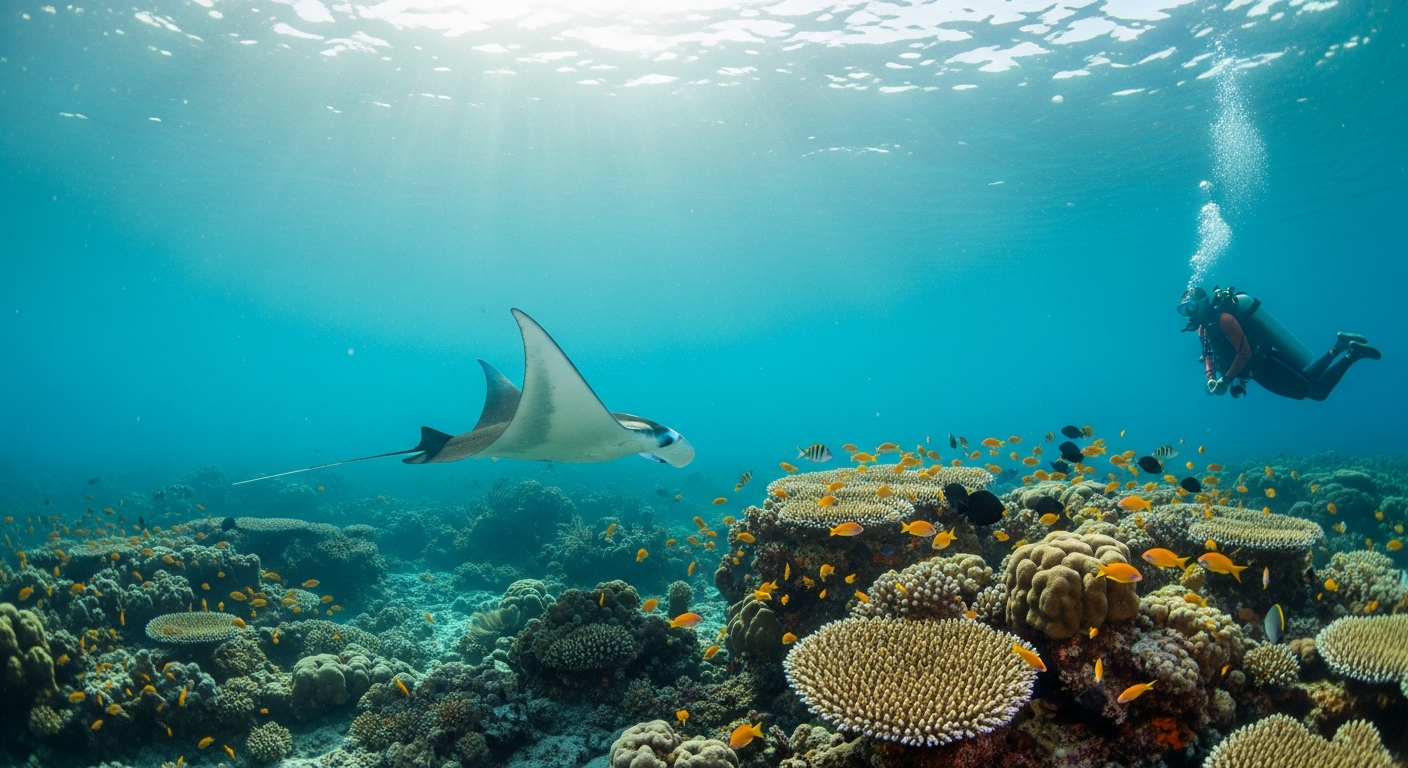
- Peak manta season in Komodo is January to March, with top sites at Manta Alley and Karang Makassar.
Komodo National Park offers diving opportunities year-round, with the best visibility and conditions typically from April to November. However, divers can experience manta rays in larger numbers during the months from January to March. Understanding the seasonal changes can help in planning the perfect diving adventure.
Overview of Komodo National Park Diving
Komodo National Park, a UNESCO World Heritage Site, is a prime diving destination located in Indonesia. Spanning over 1,700 square kilometers, the park offers a rich marine biodiversity, hosting more than 1,000 fish species and over 260 coral species. This underwater diversity attracts divers from around the world, seeking a glimpse of its rich marine life. The park’s marine life includes large pelagics, macro species, and even the occasional whale shark, making every dive a unique experience.
One of the primary reasons divers are drawn to Komodo is the wide variety of dive sites available. From drift dives to pinnacle dives, each location offers a unique underwater experience. The park’s waters are teeming with lively marine life, making it a must-visit destination for diving enthusiasts. The presence of strong currents in some areas also provides thrilling drift diving opportunities that add to the excitement of exploring Komodo’s depths.
Best Time to Dive in Komodo National Park
The best diving season in Komodo National Park is during the dry months from April to November. During this period, divers can expect optimal visibility and stable water conditions. The calm seas and warm temperatures, ranging from 27–30°C, ensure a comfortable diving experience for divers of all skill levels. Visibility can reach up to 30 meters during this time, offering an unrivaled view of the underwater landscapes.
Despite the dry season being the most popular for diving, the peak manta season occurs from January to March. During these months, locations like Manta Alley and Karang Makassar are frequented by grand manta rays, offering an extraordinary sight for divers who brave the slightly cooler waters and potential rain showers of the wet season. The nutrient-rich waters during this time also attract other marine creatures, making it an exciting season for marine life enthusiasts.
Iconic Dive Sites in Komodo
Komodo National Park is home to several renowned dive sites, each offering a unique underwater spectacle. Batu Bolong, known for its pinnacle dive, provides a dramatic underwater landscape teeming with marine life. The site is famous for its vivid coral gardens and schools of colorful fish, making it a photographer’s dream. Manta Point, or Karang Makassar, is famous for its manta ray encounters, especially during the January to March peak season.
For those interested in pelagic species, Castle Rock is a top choice, often visited by large schools of fish and sharks. It’s not uncommon to spot white-tip reef sharks and giant trevally here. Crystal Rock offers sightings of dolphins and other large marine creatures. The Cauldron, also known as Shotgun, is popular for its thrilling drift dives, offering an exhilarating ride through the nutrient-rich waters. The site also boasts an impressive variety of macro life for those who enjoy the smaller wonders of the ocean.
How to Get to Komodo National Park
Most diving adventures in Komodo National Park begin in Labuan Bajo, located on Flores Island. This small town serves as the main entry point for visitors heading to the park. From Labuan Bajo, divers can join liveaboard boats or day trips that take them to the various dive sites within the park. Domestic flights to Labuan Bajo are available from major Indonesian cities such as Bali and Jakarta, typically costing between $100 to $200 USD.
Liveaboards are particularly recommended for those wishing to explore the more remote southern areas of the park. These trips offer comprehensive packages, often including airport transfers, all meals, and guided dives with experienced Dive Masters and Instructors. Some popular liveaboards include Mermaid I, which offers a 10-day dive and snorkel cruise, and Mermaid II, with an 8-day itinerary. Prices for these excursions can vary, with Mermaid I starting at around $3,500 USD per person.
Exploring Halmahera: A Diver’s Secret
While Komodo National Park is a well-known diving destination, Halmahera offers an alternative with its uncommercialized diving sites. As the largest island of the Moluccas in North Maluku Province, Indonesia, Halmahera provides a diverse range of dive experiences, from muck to drift, wall, coral gardens, and volcanic formations. The island is less frequented, offering notable diving conditions and a sense of exploration.
Water temperatures in Halmahera remain a warm 28–30°C throughout the year, making it an ideal destination for year-round diving. Experienced divers often prefer the months of July and August, when the waters are nutrient-rich, attracting an abundance of marine life and providing a memorable diving experience. During these months, divers can expect to see rare critters and spectacular underwater topography that are seldom seen elsewhere.
Halmahera Liveaboard Adventures
For those looking to explore Halmahera’s underwater world, a liveaboard trip offers the best way to experience its diverse dive sites. Scheduled for September 4–10, 2026, the Naga Biru liveaboard provides a 7-day adventure exploring the island’s iconic dive destinations. This trip promises an immersive experience, with lively reefs and diverse marine life waiting to be discovered. The journey covers some of Halmahera’s best-kept secrets, making it an exciting prospect for adventurous divers.
The liveaboard package includes guided dives, meals, and accommodations, providing divers with a comfortable and comprehensive diving experience. Whether exploring Halmahera’s notable coral gardens or its dramatic volcanic formations, a liveaboard trip ensures an in-depth exploration of this seldom-visited diving haven. Prices for the Naga Biru experience start at approximately $2,000 USD per person, offering affordable access to this remote area.
Beyond Diving: Exploring the Land Attractions
While the waters of Komodo and Halmahera offer unparalleled diving experiences, the islands themselves provide a wealth of attractions for those who wish to explore the land between dives. Komodo Island is famous for the Komodo dragon, the world’s largest lizard, which can be viewed on guided tours from Labuan Bajo. These tours typically cost around $50 USD per person and include entrance fees to the national park.
In Halmahera, nature enthusiasts can enjoy trekking through lush rainforests, visiting local villages, and experiencing the rich cultural notable of the island. The Weda Bay offers birdwatchers an opportunity to spot rare avian species endemic to the region. These land adventures provide a perfect balance to the underwater excitement and offer memorable experiences that highlight the natural beauty and cultural richness of Indonesia’s islands.
FAQs
Q? Is it possible to dive in Komodo National Park year-round?
A: Yes, diving is possible year-round in Komodo National Park. However, the best conditions are generally from April to November during the dry season, which offers optimal visibility and calmer waters.
Q? What are the water temperatures like in Komodo National Park?
A: Water temperatures in Komodo typically range from 27–30°C, providing a comfortable environment for divers. Conditions can vary slightly between seasons, but generally remain warm throughout the year.
Q? How can I reach Komodo National Park for a diving trip?
A: To reach Komodo National Park, travelers usually fly into Labuan Bajo on Flores Island, which serves as the main access point. From there, divers can join liveaboard boats or day trips to the various dive sites in the park.
For wider arrangements, our partner komodoboatcharter can coordinate end to end.
Planning something bigger across Indonesia? See trusted arrangements from baliluxurytransport.
Explore all halmaheradiving.com options and plan your trip.
See also: What to Pack for Halmahera Diving: Essential Gear List for Komodo’s Choppy Waters, Safety Tips for Halmahera Diving in Komodo’s Strong Currents and Deep Pinnacles.