Safety Tips for Halmahera Diving in Komodo’s Strong Currents and Deep Pinnacles
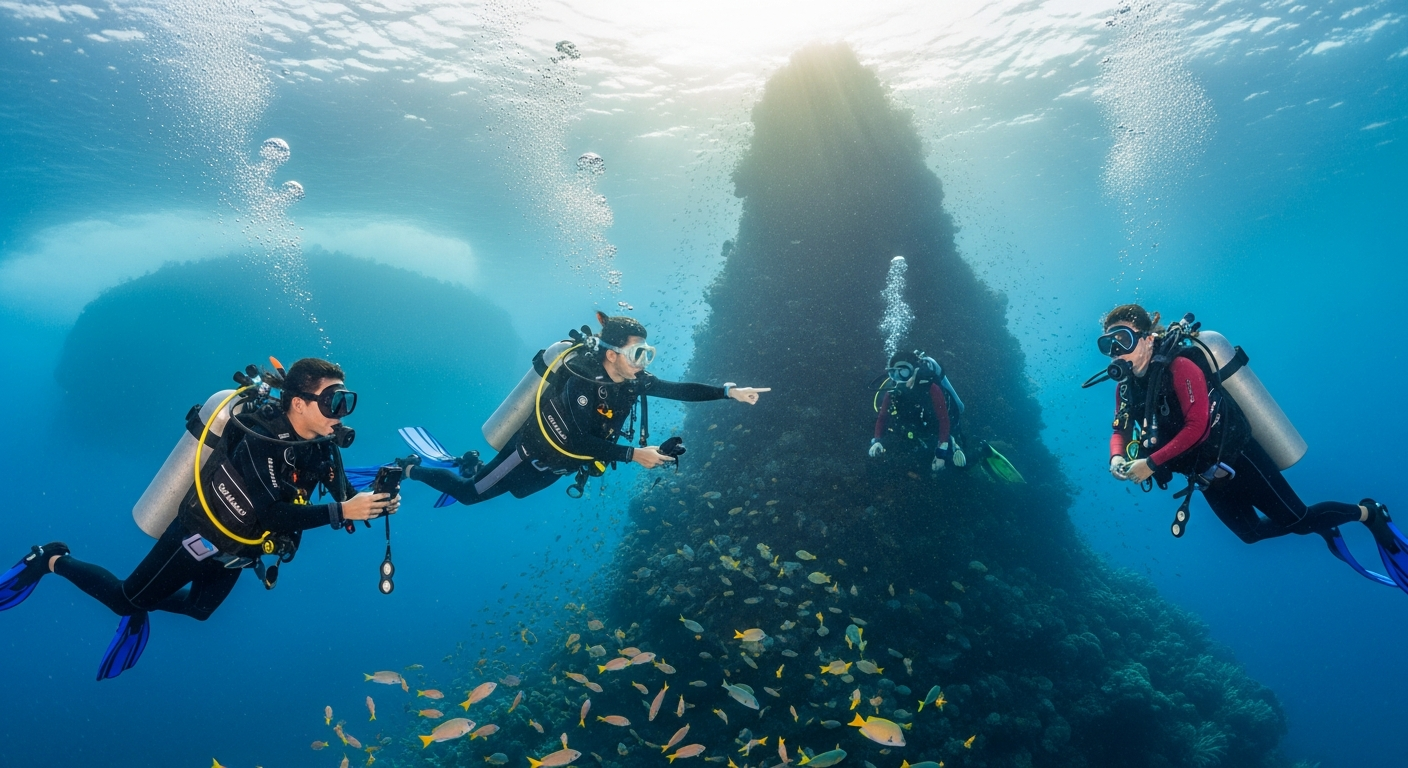
Key Takeaways
- Ensure you’re a certified diver for strong currents and deep pinnacles in Halmahera and Komodo.
- Use a reef hook for stability while diving in Komodo’s strong currents.
- Dive with a local guide knowledgeable about Halmahera and Komodo’s underwater terrain.
- Plan dives during Komodo’s dry season for optimal visibility and safer conditions.
For divers exploring Halmahera and Komodo’s currents and pinnacles, safety is paramount. Understanding local conditions, selecting suitable equipment, and gaining knowledge of the best practices ensure an exhilarating yet secure diving experience. This guide offers detailed safety tips specifically tailored for diving in these challenging yet rewarding waters.
Understanding Komodo’s Unique Diving Environment
Komodo National Park, a UNESCO World Heritage Site, is recognized for its lively marine biodiversity and challenging dive conditions. Spanning over 1,700 square kilometers, it is home to over 1,000 species of fish and more than 260 coral species. Dive sites like Batu Bolong and The Cauldron are renowned for their strong currents and deep pinnacles, demanding careful planning and execution.
The best diving season in Komodo lasts from April to November, when the dry season ensures optimal visibility. However, the peak season for manta rays occurs between January and March, particularly at sites like Manta Alley and Karang Makassar. Understanding these seasonal variations is critical for divers aiming to experience the region’s full spectrum of marine life. The visibility can reach up to 30 meters during the dry season, offering remarkable views of the lively underwater world.
Komodo National Park is not only a dive haven but also an adventure into a landscape of rugged hillsides and savannahs. The park charges an entry fee, which typically ranges from USD 10 to USD 15 per day, contributing to its conservation efforts. This fee provides access to both the striking terrestrial and marine environments that make Komodo a must-visit destination.
Preparing for Strong Currents and Deep Pinnacles
Strong currents are a hallmark of Komodo diving, enhancing the region’s marine biodiversity but also presenting challenges. It is crucial for divers to be well-prepared and proficient in current diving techniques. Before diving, it’s essential to check tide charts and consult with local dive operators who have intimate knowledge of the area. Sites like Castle Rock and Crystal Rock offer thrilling drift dives, where currents can exceed 4 knots, requiring precise technique and timing.
Deep pinnacle dives, such as those at Batu Bolong, require advanced skills. Divers should ensure they are comfortable with buoyancy control and have experience with deep diving. Using a reef hook can provide stability and prevent unintentional contact with the coral, thereby protecting both the diver and the environment. Many dive operators offer workshops on current diving techniques, which can be invaluable for those unfamiliar with such conditions.
Choosing the Right Equipment
Proper equipment is vital for a safe and enjoyable diving experience in Komodo and Halmahera. A well-fitted wetsuit is necessary due to the water temperatures, which range from 28 to 30°C. Divers should also carry a surface marker buoy (SMB) for safety, especially in areas with strong currents. The cost of renting a full set of equipment is usually around USD 25 to USD 30 per day, depending on the operator.
Dive computers are indispensable for monitoring depth and nitrogen levels, especially when diving at deep pinnacles. Additionally, having a reliable dive light can be beneficial for exploring crevices and observing nocturnal marine life. Ensuring that all equipment is well-maintained and suited to the conditions can significantly enhance safety. Reputable dive shops in Labuan Bajo provide high-quality gear and can offer advice on the best equipment for each dive site.
Training and Experience Levels
Komodo and Halmahera’s diving conditions are best suited for experienced divers. Advanced Open Water certification, along with additional training in current diving and deep diving, is recommended. Those new to these conditions should consider gaining experience in less challenging environments before attempting the more demanding sites in these regions. Training programs offered by PADI or SSI can help divers gain the necessary skills.
Liveaboards such as Mermaid I and II offer additional guidance with experienced dive masters who are familiar with the local conditions. These professionals can provide valuable insights and tips, ensuring that divers of all experience levels can safely enjoy the underwater beauty of Komodo and Halmahera. The cost of a liveaboard trip typically starts at around USD 3,000, which includes accommodation, meals, and several dives each day.
Planning Your Dive Itinerary
Most diving expeditions to Komodo begin in Labuan Bajo on Flores Island, the primary starting point for exploring the national park. Due to the remote nature of some dive sites, liveaboards are the preferred method of exploration. These trips often include airport transfers, all meals, diving gear, and experienced guides.
Liveaboard trips, such as the 10-day itinerary offered by Mermaid I, provide comprehensive access to Komodo’s diverse sites. Prices for such excursions include tanks, weights, and expert guidance. Planning your itinerary in advance ensures that you can maximize your time in the water while adhering to safety protocols. It is advisable to book these trips well in advance, especially during peak seasons, to secure a spot on your preferred liveaboard.
Onboard Safety and Emergency Procedures
Safety protocols are a priority on liveaboards exploring Komodo and Halmahera. Before setting out, divers should familiarize themselves with the vessel’s emergency procedures, including how to use safety equipment like life vests and oxygen kits. Regular briefings and drills are conducted to prepare divers for any eventuality.
In case of an emergency, knowing the location of the nearest hyperbaric chamber is crucial. Dive operators typically have established procedures for handling emergencies, including rapid evacuation plans. Maintaining open communication with dive crew members ensures that any concerns can be promptly addressed, thereby enhancing overall safety. The nearest hyperbaric chamber is located in Bali, which can be reached via a short flight from Labuan Bajo.
Exploring Halmahera’s notable Dive Sites
Halmahera, the largest island in the Moluccas, offers a more tranquil and untouched diving experience compared to its more famous counterparts. Known for its rich marine biodiversity, Halmahera boasts spectacular muck, drift, wall, and coral garden dives. The island’s volcanic formations create a unique underwater landscape teeming with life.
One of the most exciting aspects of diving in Halmahera is the opportunity to explore sites that remain relatively undiscovered. The water temperature remains a consistent 28–30°C throughout the year, making it comfortable for extended dives. Experienced divers prefer the months of July and August, when nutrient-rich waters attract a plethora of marine species, including rare critters and lively coral formations.
Dive operators in Halmahera offer trips to unique sites such as the volcanic cone of Dukono, where divers can encounter rare species like the mimic octopus and flamboyant cuttlefish. Prices for dives in Halmahera are generally more affordable, with day trips costing around USD 100–USD 150, including equipment rental and guide fees.
FAQs
Q? What is the best time to dive in Komodo National Park? A: The best time to dive is during the dry season, from April to November, when visibility is at its peak. However, for manta ray enthusiasts, January to March is ideal for sightings at sites like Manta Alley and Karang Makassar.
Q? How can I ensure my safety when diving in strong currents? A: To ensure safety in strong currents, divers should be proficient in current diving techniques, use a reef hook when necessary, and always dive with a buddy. Consulting local dive operators for advice on the best times and methods to dive specific sites is also crucial.
Q? Are liveaboards necessary for diving in Komodo? A: Yes, liveaboards are the most effective way to access the remote and diverse dive sites within Komodo National Park, providing comprehensive diving itineraries, experienced guides, and essential safety measures.
For wider arrangements, our partner komodoboatcharter can coordinate end to end.
Planning something bigger across Indonesia? For end-to-end service see baliluxurytransport.
Explore all halmaheradiving.com options and plan your trip.
See also: What to Pack for Halmahera Diving: Essential Gear List for Komodo’s Choppy Waters.